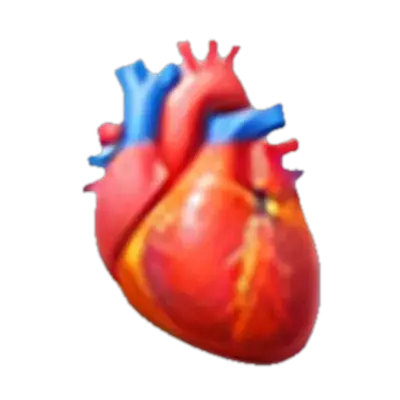
The heart is a powerful muscular pump that moves blood through roughly 100,000 km of blood vessels, delivering oxygen and nutrients to every cell and carrying away waste.
~100,000
Beats per day
~7,500 L
Blood pumped daily
4
Chambers
Where is the heart located?
In the chest, between the lungs, slightly left of the breastbone, inside a protective sac called the pericardium.
What does the heart do?
Pumps oxygen-rich blood to the body
Sends oxygen-poor blood to the lungs
Maintains blood pressure
Generates its own electrical rhythm
Delivers hormones and nutrients to tissues
Key parts of the heart
Atria
Two upper chambers that receive blood returning to the heart.
Ventricles
Two lower chambers that pump blood out to the lungs and body.
Valves
Four one-way valves keep blood flowing in the right direction.
Sinoatrial node
The natural pacemaker that sets the heartbeat.
How to keep your heart healthy
Get at least 150 minutes of moderate exercise weekly
Limit salt, processed foods and added sugar
Don't smoke and limit alcohol
Know your blood pressure and cholesterol numbers
Manage stress with rest, movement and connection
Holistic approach
Holistic Ways to Support Your Heart
Gentle everyday practices plus three traditional herbs, with honest notes on evidence and safety.
Educational note: This page is for general anatomy education and does not provide medical diagnosis or treatment advice. Talk to a healthcare professional about any concerns.